A temperature data logger is a small, battery-powered instrument that records temperature at set intervals, so you can review, report and prove conditions later. Choosing the right one comes down to a handful of questions — and as an authorised MadgeTech distributor, these are the questions we ask every customer.
1. What temperature range do you need?
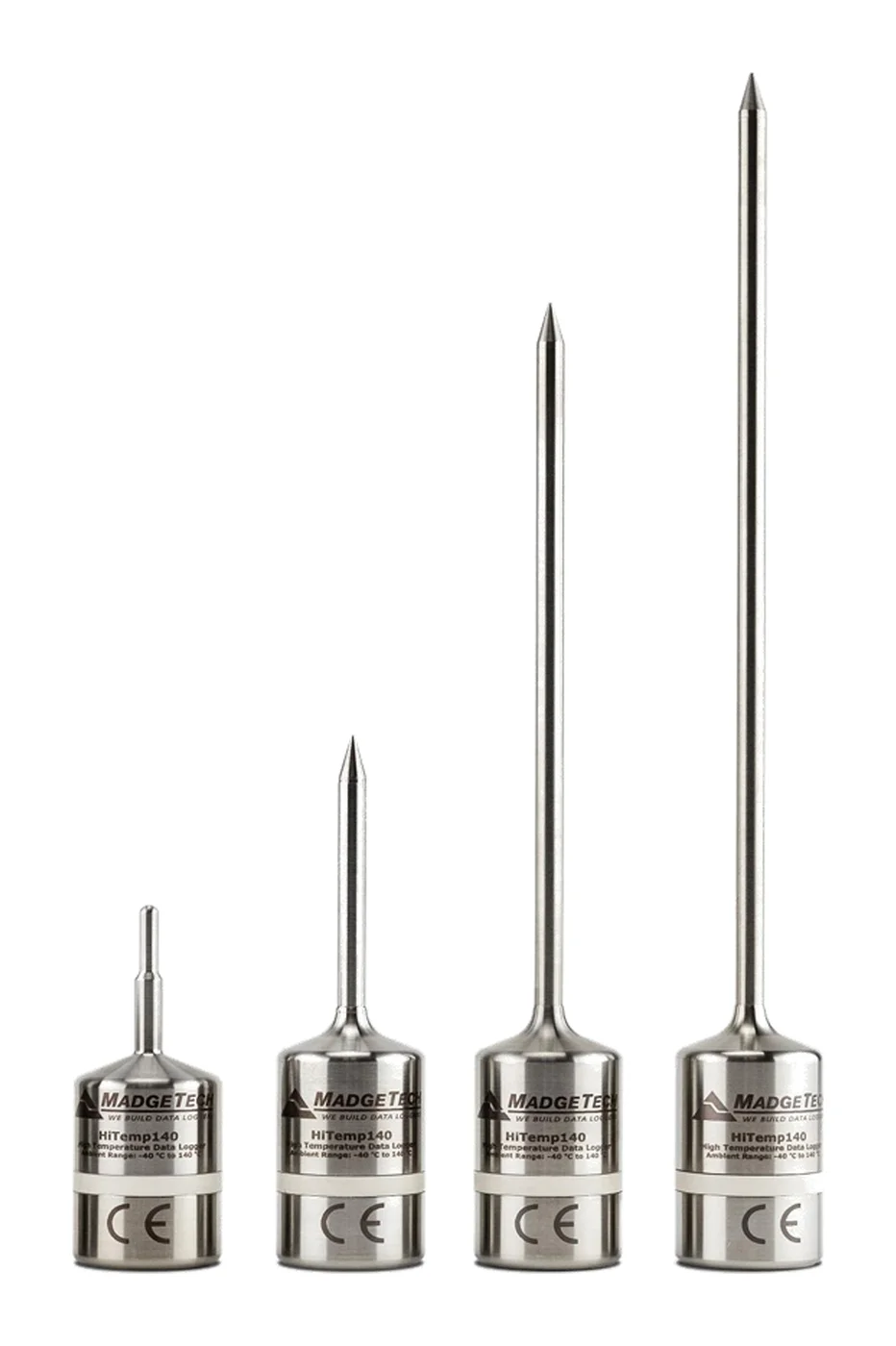
Match the logger's operating range to the environment it lives in — not just the product. A freezer logger, an autoclave logger and a warehouse logger are very different instruments. High-temperature processes such as sterilisation typically need submersible, stainless-steel, probe-style loggers like the HiTemp140.
2. How accurate does it need to be?
Check the stated accuracy across the range you'll use, not only at room temperature. Regulated applications usually specify a maximum permitted error.
3. Sampling rate and memory
Faster sampling captures short excursions but fills memory sooner. Work out reading interval × deployment length and choose a logger with comfortable headroom.
4. Internal sensor or external probe?
- Internal sensor — measures the air or space around the logger.
- Rigid or flexible probe — measures inside product, liquid or hard-to-reach locations.
5. Standalone or wireless?
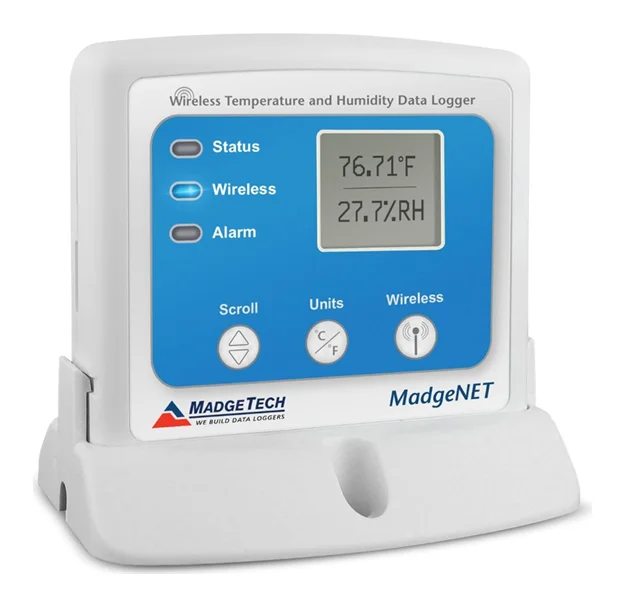
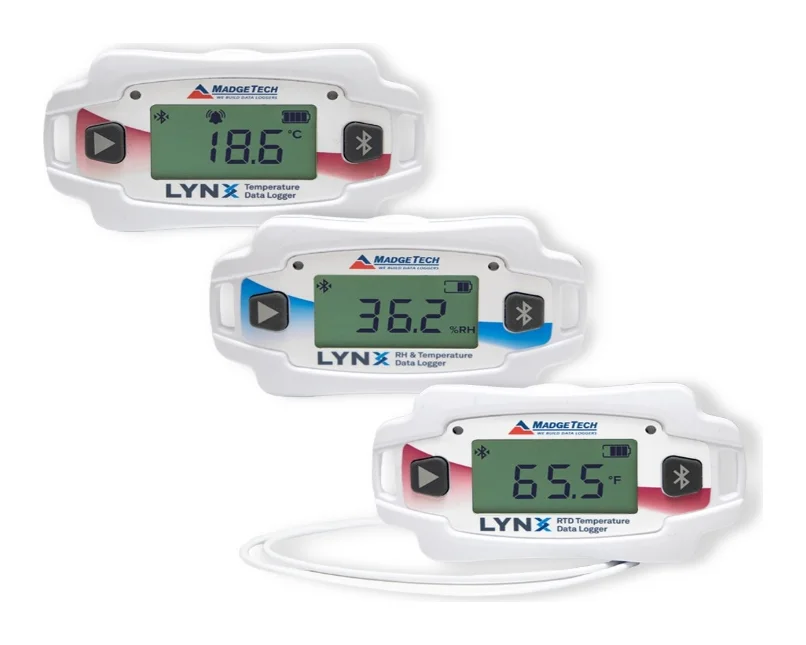
Standalone loggers are downloaded after use. Wireless systems such as the RFRHTemp2000A or Bluetooth LynxPro stream readings in real time and raise alarms, which is ideal for continuous monitoring of cold rooms and storage.
6. How many measurement points?
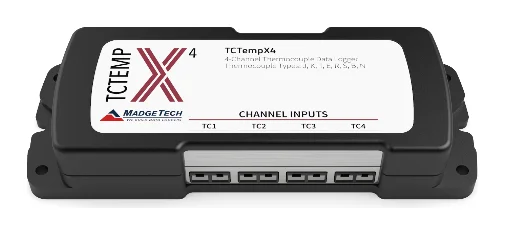
For ovens, furnaces and chambers where you need many points at once, a multi-channel logger such as the TCTempX series (4 to 16 thermocouple channels) is simpler than many single loggers.
7. Environment and certifications
Consider moisture, submersion, hazardous areas (intrinsically safe models) and physical durability.
8. Software and compliance
If you work to GMP or similar requirements, look for software that supports secure records, audit trails and electronic signatures.
This guide is part of our
MadgeTech Data Loggers