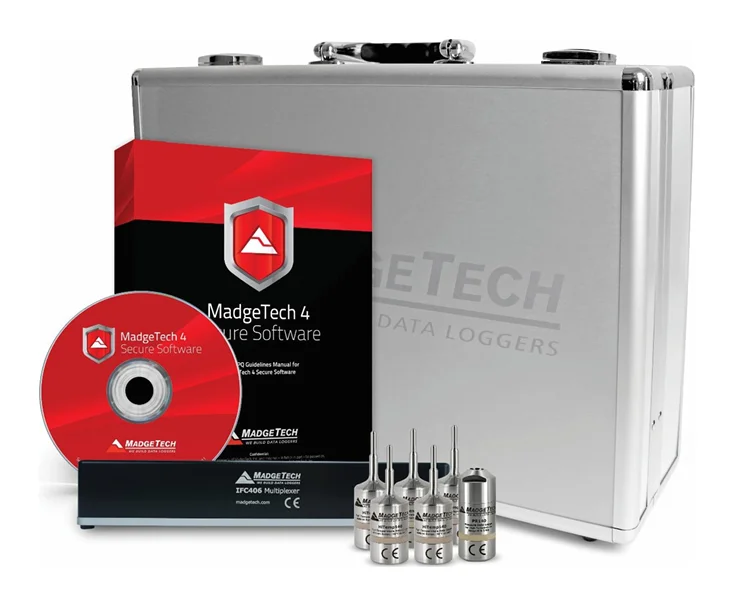
Every sterilisation cycle must be proven to reach the right temperature, for the right time, everywhere in the load. Autoclave validation provides that proof. We support you with both the validation loggers and the validation service, for steam autoclaves and dry heat sterilisers alike.
Equipment for autoclave validation
- AVS140-6 autoclave validation set — five HiTemp140 loggers, a PR140 pressure logger, a multiplexer and secure software
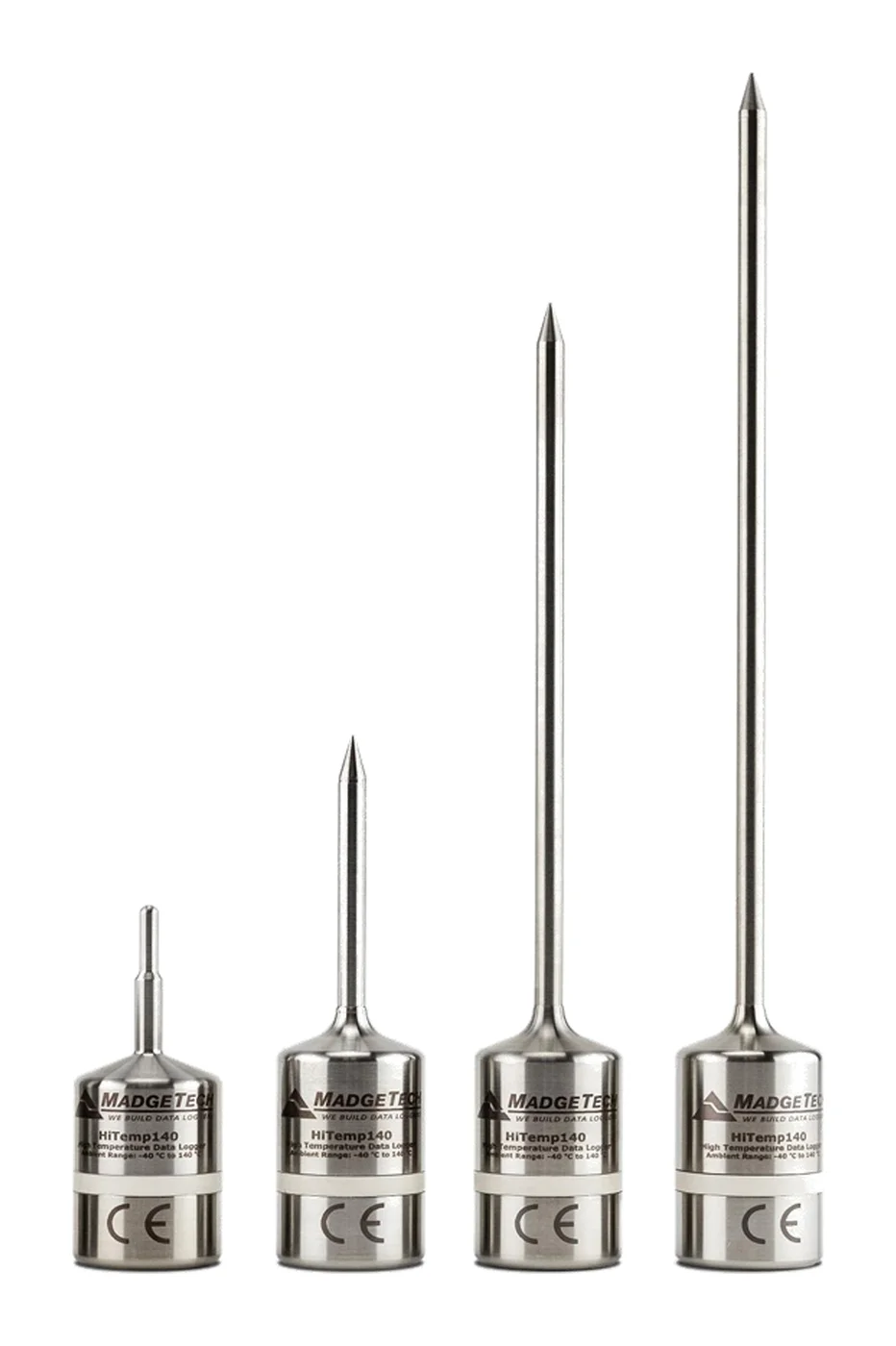
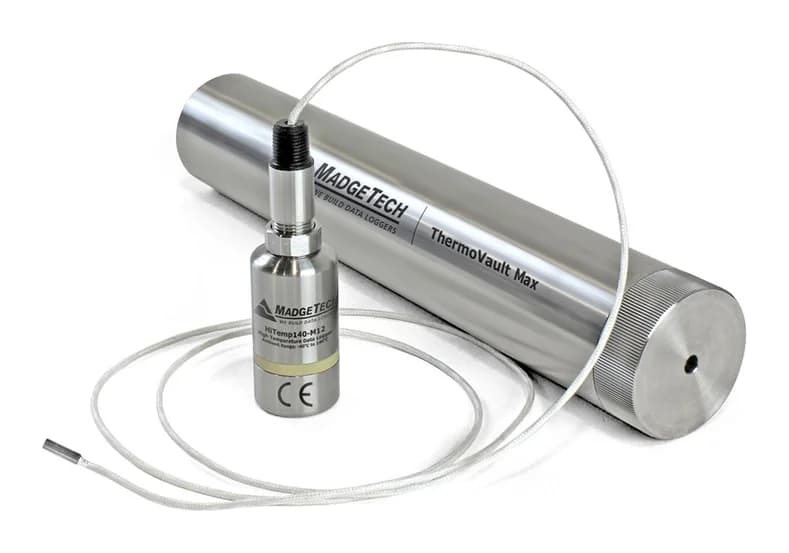
- HiTemp140 — submersible high temperature logger, -40 °C to +140 °C
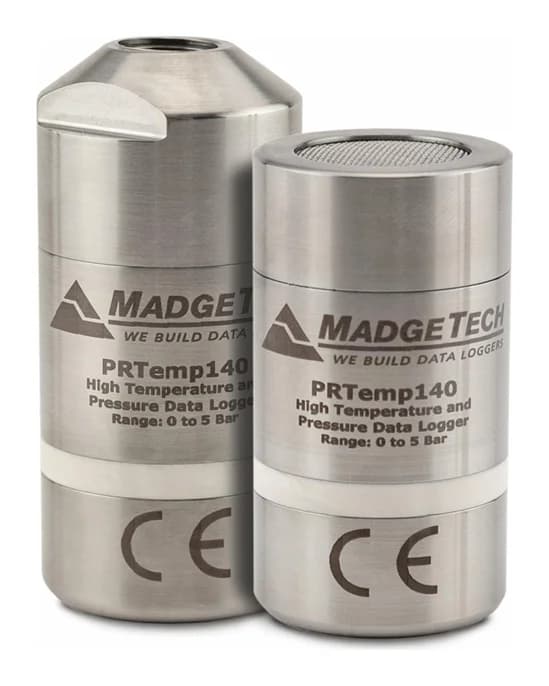
- PRTemp140 — temperature and pressure in one compact logger
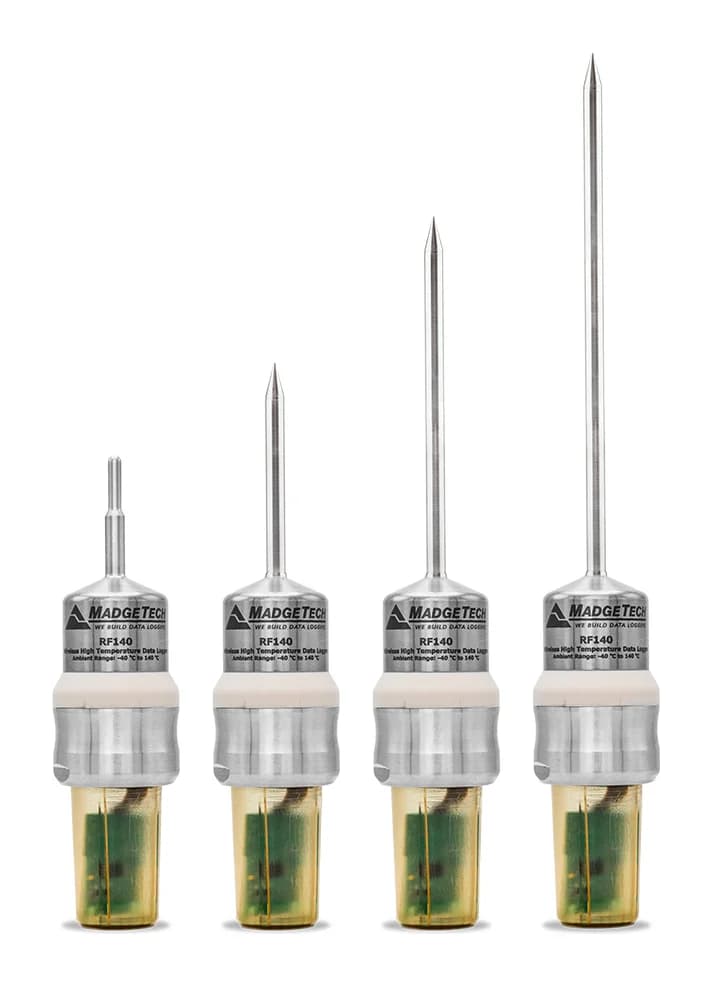
- RF140 — Bluetooth version for live readings
- DHS — for dry heat sterilisers
Our validation approach
- Protocol — cycle parameters, load patterns, acceptance criteria and logger positions.
- Heat distribution — loggers across the chamber to find the slowest-heating point.
- Heat penetration — loggers inside the load, including the hardest-to-heat items.
- Pressure confirmation — pressure logged alongside temperature to confirm saturated steam conditions.
- Analysis and report — hold times, temperature uniformity and F0 / lethality results, with calibration certificates for every logger.
Built for compliance
MadgeTech Secure software supports 21 CFR Part 11 requirements with audit trails and electronic signatures, and loggers are supplied with ISO 17025 accredited calibration certificates.
Go deeper with our autoclave data logger guide and our overview of sterilizer temperature monitoring.
Frequently asked questions
What is the difference between heat distribution and heat penetration?
Heat distribution maps temperature across the empty or loaded chamber to find cold spots. Heat penetration places loggers inside the load to prove the product itself reaches sterilising conditions for long enough.
Which loggers are used for autoclave validation?
Submersible high temperature loggers such as the MadgeTech HiTemp140, often with a PRTemp140 or PR140 to record pressure. The AVS140-6 set combines both with a multiplexer and secure software.
How often should an autoclave be validated?
After installation and major repairs, and then periodically — commonly once a year — as defined by your quality system and regulator.