Every measurement you record is only as trustworthy as the instrument that made it. Calibration compares your data logger against reference standards of known accuracy, and the calibration certificate is your proof — to auditors, customers and yourself — that the data is right.
Why loggers drift
Sensors age. Temperature cycling, humidity, mechanical shock and time all shift readings slightly. The change is usually small and invisible in day-to-day use — which is exactly why it needs checking at a regular interval.
What ISO 17025 means
ISO/IEC 17025 is the international standard for the competence of testing and calibration laboratories. An ISO 17025 accredited calibration certificate shows that:
- the laboratory's competence has been independently assessed by an accreditation body (in India, NABL is the national accreditation body);
- the measurements are traceable to national or international standards;
- the measurement uncertainty is stated for each result.
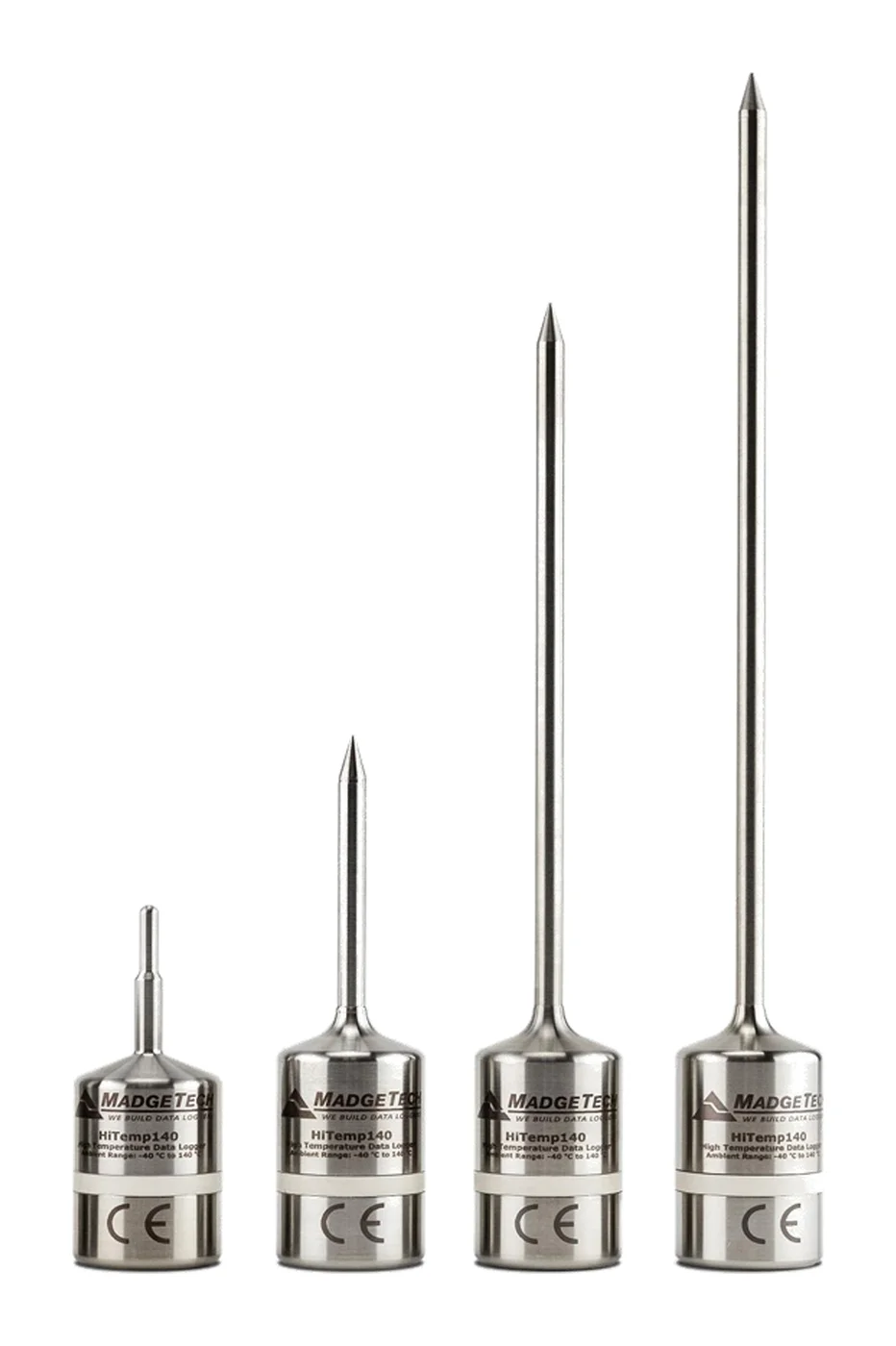
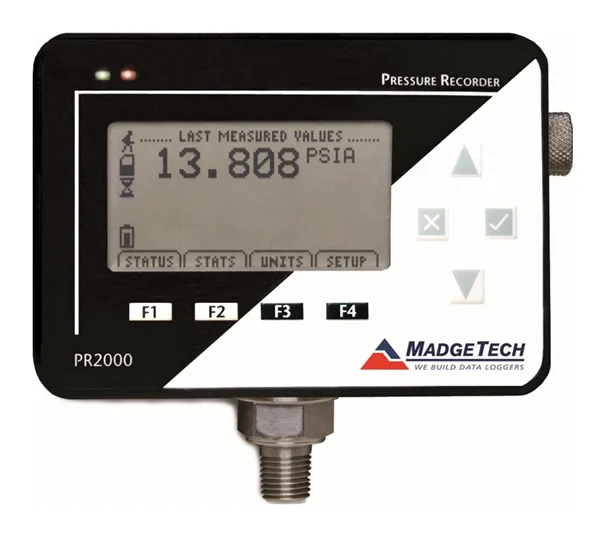
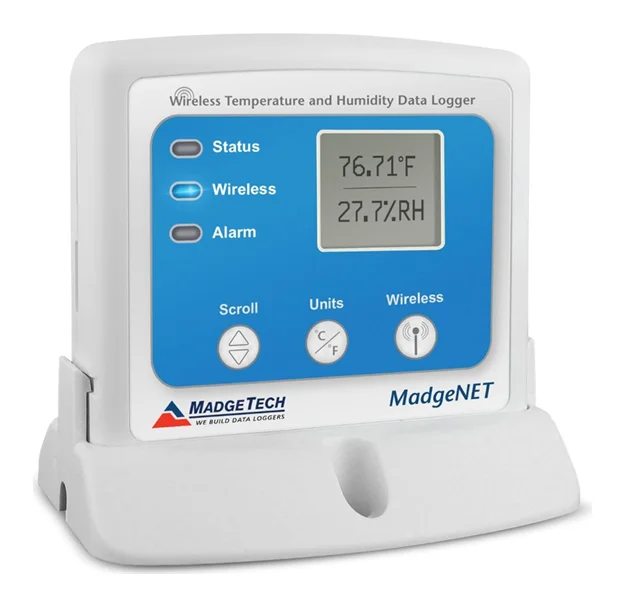
Many MadgeTech data loggers, including the HiTemp140, PR2000 and RFRHTemp2000A, ship with an ISO 17025 accredited calibration certificate. Some systems include a standard calibration certificate — check each product page.
Reading a calibration certificate
Look for:
- Instrument identification — model and serial number
- Calibration points — the temperatures (or pressures, humidity levels) tested
- As-found results — readings before any adjustment
- As-left results — readings after adjustment, if any was made
- Measurement uncertainty at each point
- Calibration date and the laboratory's accreditation details
If an as-found result is outside tolerance, review data recorded since the previous calibration.
How often to calibrate
Most regulated users recalibrate every 12 months. Consider shorter intervals for loggers used in critical validation, exposed to harsh conditions, or showing drift at previous calibrations. Your quality system should define the interval.
Calibrate at the points you use
A certificate at 0 °C and 25 °C says little about accuracy at 121 °C. For autoclave loggers, make sure calibration covers the sterilisation temperature; for cold chain loggers, the 2 °C to 8 °C range.
This guide is part of our
Calibration Services