Pasteurisation uses carefully controlled heat to kill pathogens while protecting flavour and quality. Whether you pasteurise milk in-line, juices in bottles or foods in jars and pouches, a pasteurization temperature logger gives you the evidence that every batch reached the required temperature for the required time.
Know your process
Common pasteurisation approaches include:
- High-temperature short-time (HTST) — for example milk heated to 72 °C for 15 seconds.
- Low-temperature long-time (batch) — for example 63 °C for 30 minutes.
- In-pack pasteurisation — bottles, jars and pouches heated in tunnels, tanks or retorts.
Your logger must match the process: in-pack products need a logger or probe that measures inside the container, while tanks and vats may only need a probe in the liquid.
What to look for
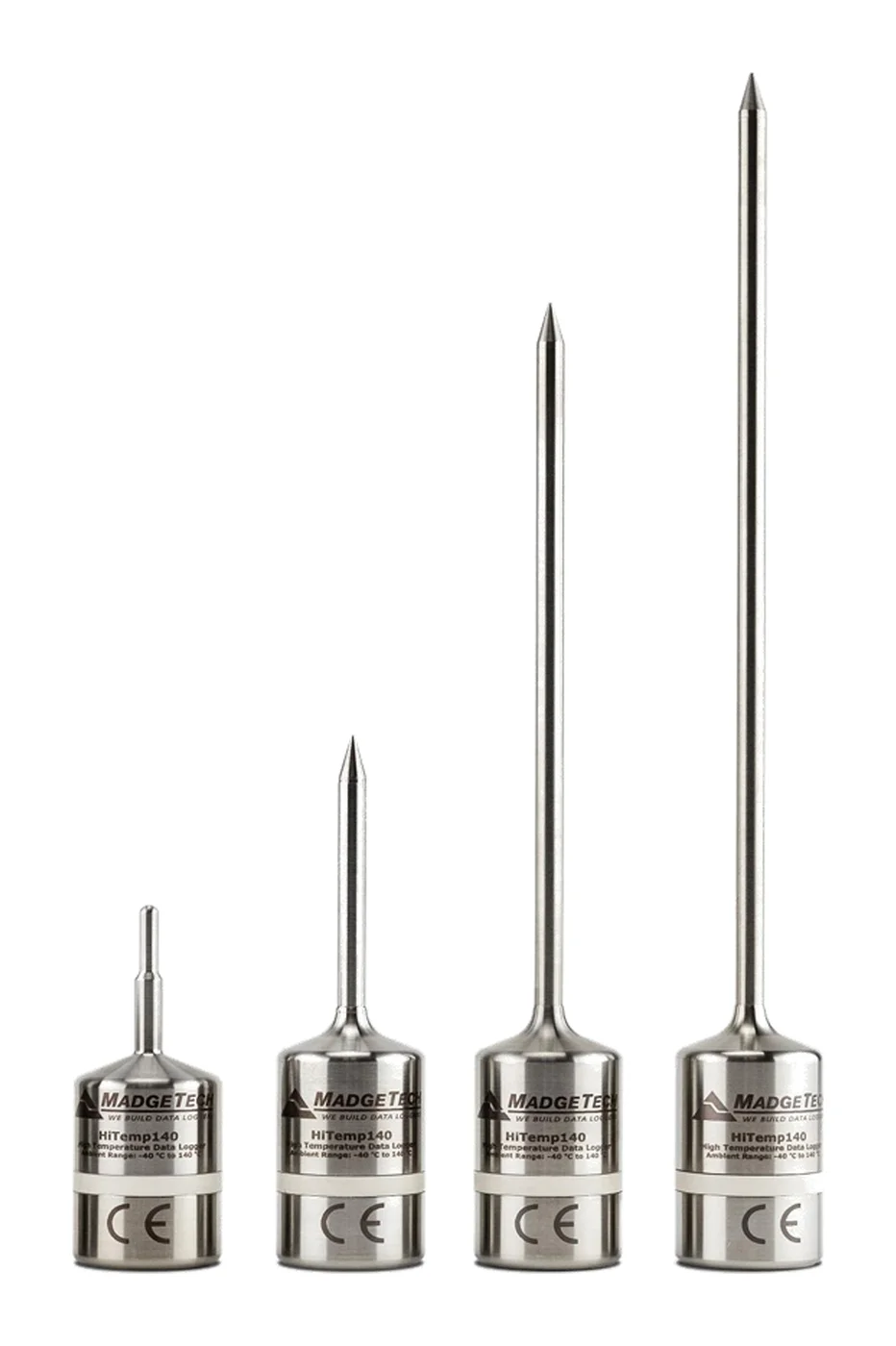
1. Temperature range and accuracy. Pasteurisation typically runs between 60 °C and 100 °C. A logger such as the HiTemp140 (-40 °C to +140 °C) covers it with room to spare.
2. Submersible construction. Loggers travel through water baths, spray tunnels and wash-down. They must be fully sealed.
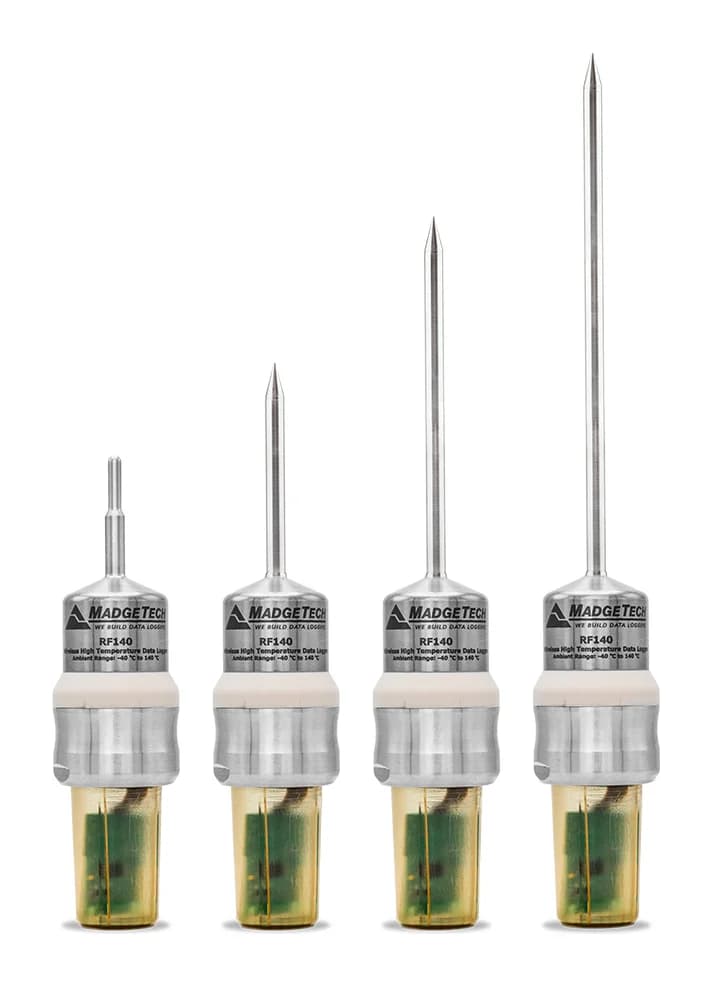
3. The right probe. Probe length determines where you measure. For bottles and jars, the probe tip should sit at the product's cold spot — usually near the geometric centre.
4. Real-time or download later. Standard loggers are downloaded after the run. The Bluetooth RF140 shows readings live, useful when you're setting up a new process or troubleshooting.
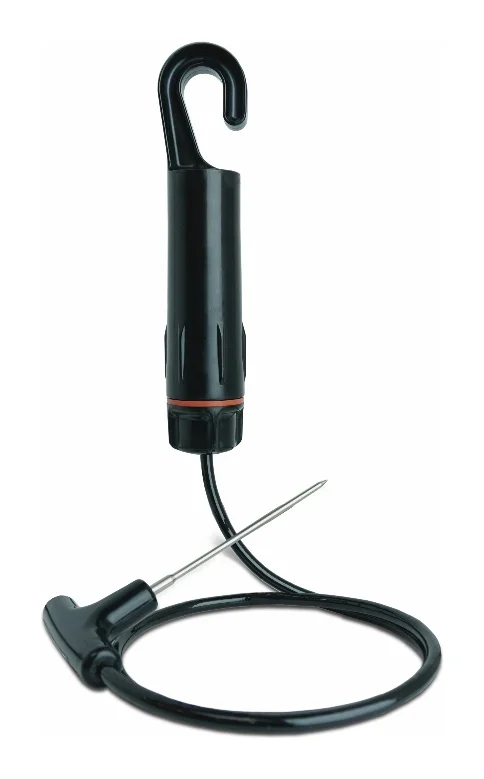
5. Wash-down resistance. For cooking and smokehouse applications, the splash-resistant wireless RFOT handles wash-down cycles.
6. Records. Time- and date-stamped data, clear reports and calibration certificates keep your HACCP records complete.
Where to place the logger
- In the slowest-heating container — largest size, densest product, or furthest from the heat source.
- At the cold spot within the container.
- For tunnels and continuous systems, at several positions across the belt.
Beyond pasteurisation
Canned and shelf-stable foods need full heat penetration studies with container fittings. See our guide to canning heat penetration testing.
This guide is part of our
Food Processing